

November is Native American Heritage Month and since it’s the time of giving thanks, we wanted to explore a topic that might get overlooked in our lands.
We all know that Prince William, Virginia has a rich history, considering that Virginia was one of the original 13 colonies. Long before colonial roads and Civil War battles, the lands that make up our beautiful county were home to Indigenous people whose lives were woven into the rivers, forests, and fields.
Did you know that much of their legacy still lives on through place names, archaeological sites, and active tribal communities that continue to influence the region today?
If you’re curious about the county’s deeper history, or if you’re unsure how deep it goes, here’s a responsible, traveler-friendly guide to who lived here, what they left behind, and where to learn more!
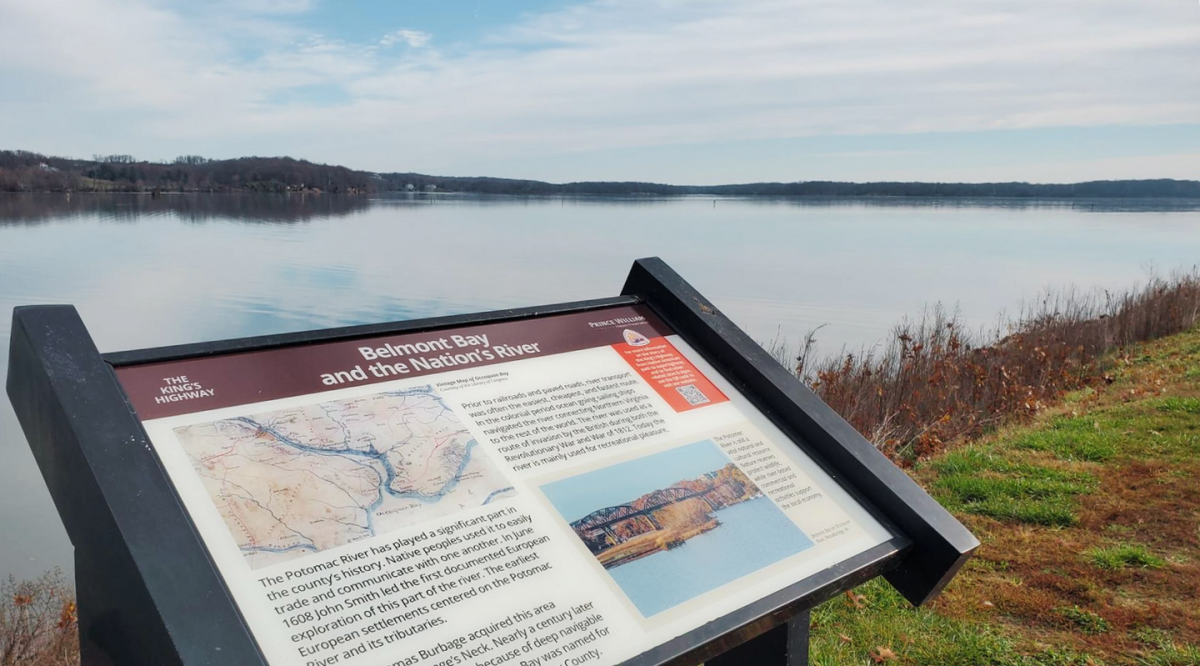
Who Lived Here?
If you didn’t know, Prince William, Virginia, sits at a sort of “cultural crossroads.” Along the river lowlands and coastal plain, Algonquian-speaking peoples lived, including groups commonly called the Doeg (sometimes spelled Dogue), and along the Piedmont and upland woodlands, Siouan-speaking groups such as the Manahoac resided.
Long before European settlers arrived, Indigenous nations called the land we now know as Prince William, Virginia, their home. They hunted, fished, farmed, and traveled throughout the region—living in rhythm with the rivers and forests that still shape it today. Although some of our methods are different, many of Prince William’s residents still follow the same daily routines as the Indigenous tribes.
For example:
- We still fish the same bodies of water, just different rods and reels.
- The land our farmers continue to farm are the same ones they farmed generations ago, just different animals and techniques.
According to the National Park Service and local historians, this area served as both a year-round home and a seasonal gathering place for Native communities, whose deep connection to the land continues to influence the county’s story! Isn’t it cool to think that people were vacationing to Prince William County even then?
What the Land Still Tells Us
Archaeology across Prince William reveals occupation that predates European arrival. Studies at Manassas National Battlefield Park and surrounding sites have identified pre-contact village sites and artifacts. These little peeks into the past are all just tangible reminders that Indigenous people lived, hunted, and gathered here for centuries.
Rippon Lodge Historic Site and other early-colonial sites also sit on land used earlier by Native communities, and archaeology helps bridge those eras in ways that history books alone can’t.
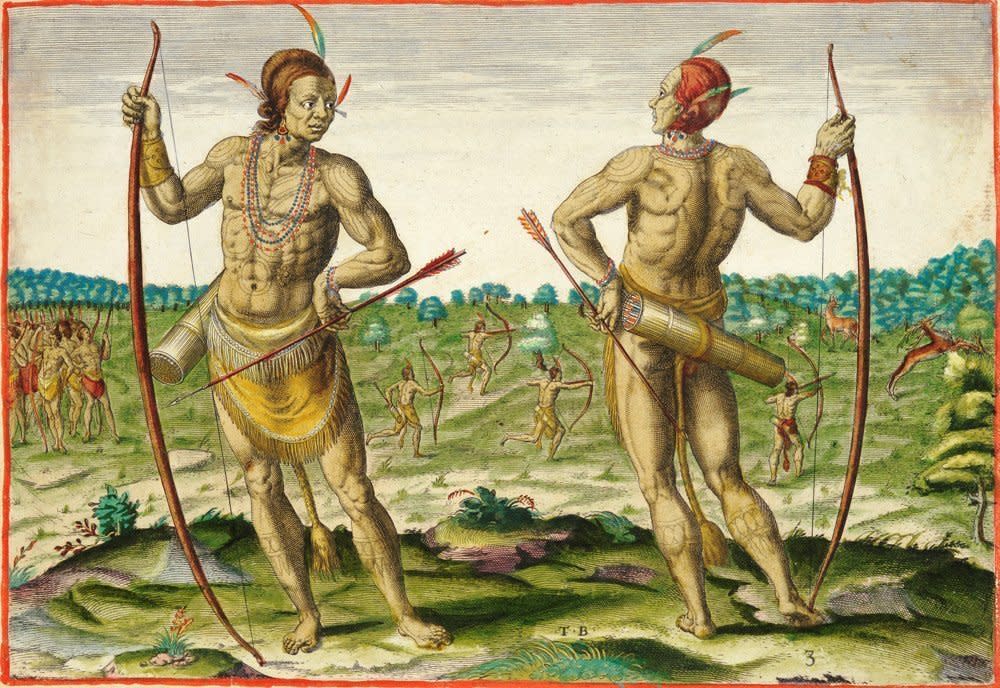
How Indigenous Life Shaped Our Place, Names, and Landscapes
Not a lot of people may know this, but many of our local place names reflect Indigenous languages and geography: the Potomac and Occoquan waterways, for example, carry meanings tied to the people who named them and used them for travel, fishery, and trade. These linguistic traces are living reminders that the county’s identity was shaped first by those who lived on and cared for the land.
Just for your next trivia fun facts:
-
“Occoquan” is an Algonquian Doeg Indian word meaning "at the end of the water"
-
“Quantico” is a corruption of Pamacocack, the name of a Doeg tribe village meaning “by the long stream”
-
"Potomac" is derived from the Algonquian name for the river, with several possible interpretations, including "place where people trade," "the place to which tribute is brought," or "river of swans"
Modern Impact and Living Communities
The story of Prince William’s indigenous neighbors doesn’t end with the colonial era. Descendants and related tribal communities, including those who identify with Patawomeck ancestry, continue cultural revitalization, education, and community-building in Virginia. State recognition and local efforts help support tribal programs, language and cultural preservation, and public outreach that reconnects modern residents and visitors with Indigenous histories and contemporary life.
How to Learn This History Respectfully
We’re all curious at heart, so it makes sense for us to want to know more about the lands we visit and live in. If you want to explore Indigenous history in Prince William County, here are a few authentic, educational places to start. Each site and program approaches history through research, interpretation, or preservation — and all are places where visitors can learn while showing respect for the land and its original stewards.
-
Prince William Forest Park (National Park Service):
- The park’s history pages note Indigenous use of the area and interpretive staff can point visitors to trails and sites that reveal long-term human connections to the forested landscape. It’s a great starting point for understanding how people lived off the land here.
- Manassas National Battlefield Park:
- Beyond Civil War history, the park’s archaeological work has identified pre-contact Native sites along Bull Run. Take a ranger program or read the park’s archaeology overview to learn more about these deep time layers. National
- Rippon Lodge Historic Site:
- Rippon Lodge sits on land documented as Native-occupied before colonial settlement; the site’s interpretation connects colonial life with the Indigenous presence that preceded it. Visit the site for tours and seasonal programming.
- Local history centers and county resources
- Prince William’s historic-preservation publications and the county’s annotated bibliographies offer vetted reading lists and references for those who want to go deeper. These resources are a good next step for educators and curious travelers.
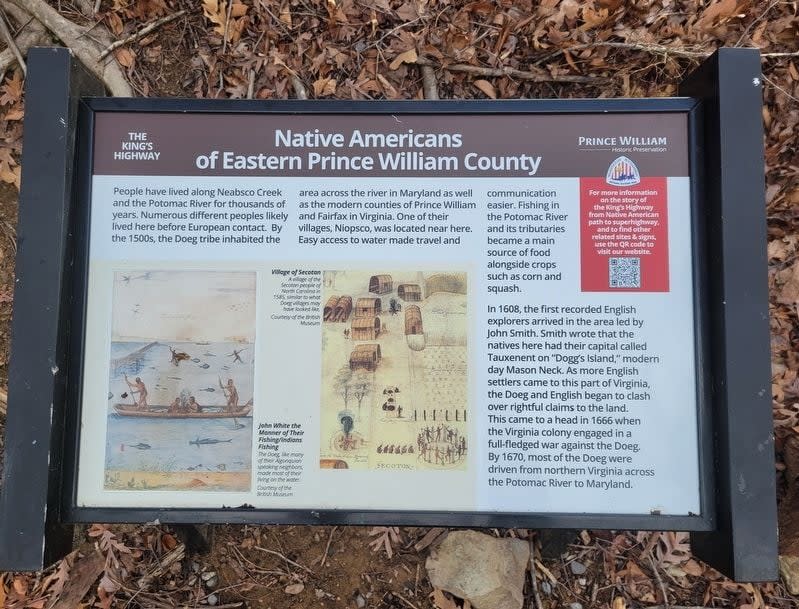
A Invitation to Visit
Exploring Prince William through the lens of Indigenous history adds richness to any visit. It’s not just about places to see, it’s about understanding the layers of human stories that make this county unique. Whether you’re a history buff, a curious traveler, or a family planning an educational day trip, discovering the Native past here deepens your connection to the land and to the people who have long cared for it!